
Projects / porojeketi
Kindergarten projects with visible progress.
Here you'll find individual kindergarten projects, each with its own place, phase, funding goal, material needs, and next update.
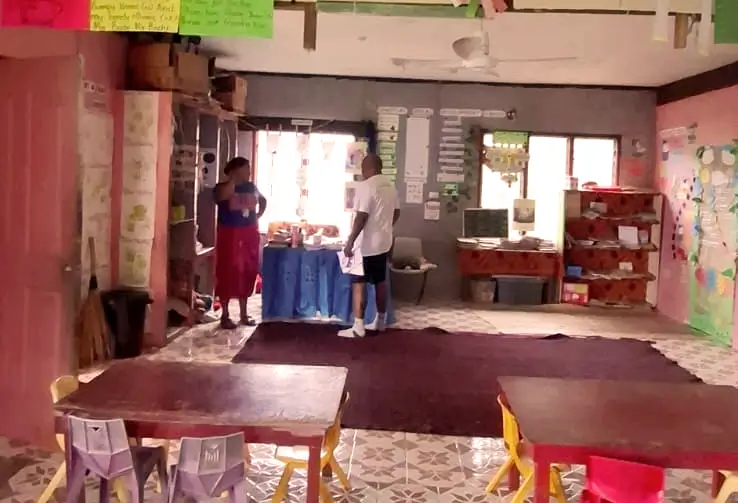
Kindergarten project board
Individual places, needs, and funding status
Every kindergarten has its own story and needs. Explore the projects below to see what our community is working towards, how much has been raised, and what comes next. Your support helps provide the everyday essentials children need to learn, play, and grow.
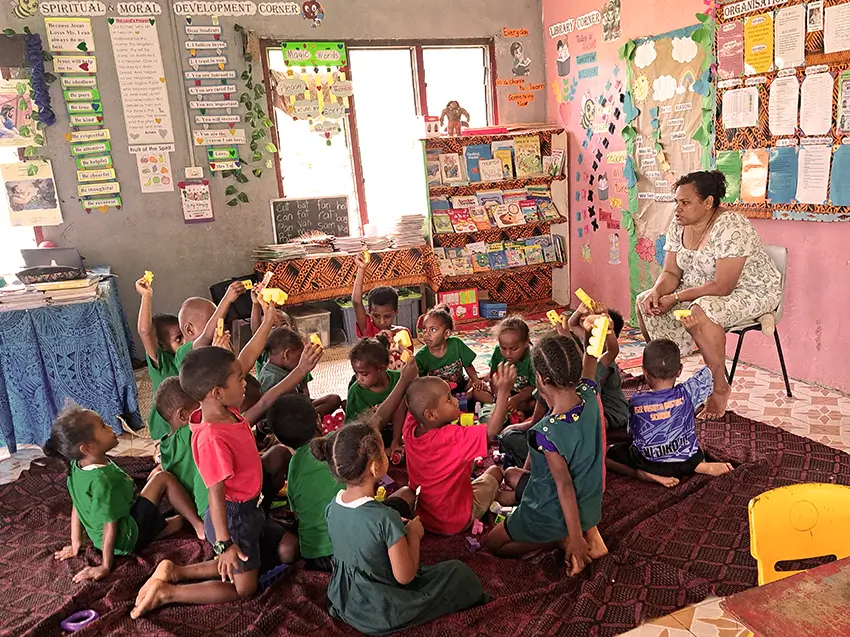
Ovalau area, Fiji
Construction Project for a Kindergarten and Preschool Building
For the planning, implementation, and completion of this project, we need the following resources:
- Land & Building Site Inspection
- Planning, Structural Analysis & Permitting
- Site Development & Construction Site Setup
- Construction & Materials
- Quality Assurance, Insurance, and Administration
Children
60 Children
Learn more about our
What happens next?
Donations should never feel abstract!
01
Every campaign is tied to a clear classroom need.
We collect concrete needs from everyday kindergarten life and prioritize what helps children right away.
02
Future updates can include photos, receipts, and short reports.
We collect concrete needs from everyday kindergarten life and prioritize what helps children right away.
03
Donation packages stay understandable before payment starts.
We collect concrete needs from everyday kindergarten life and prioritize what helps children right away.
Climate, Health and Hygiene
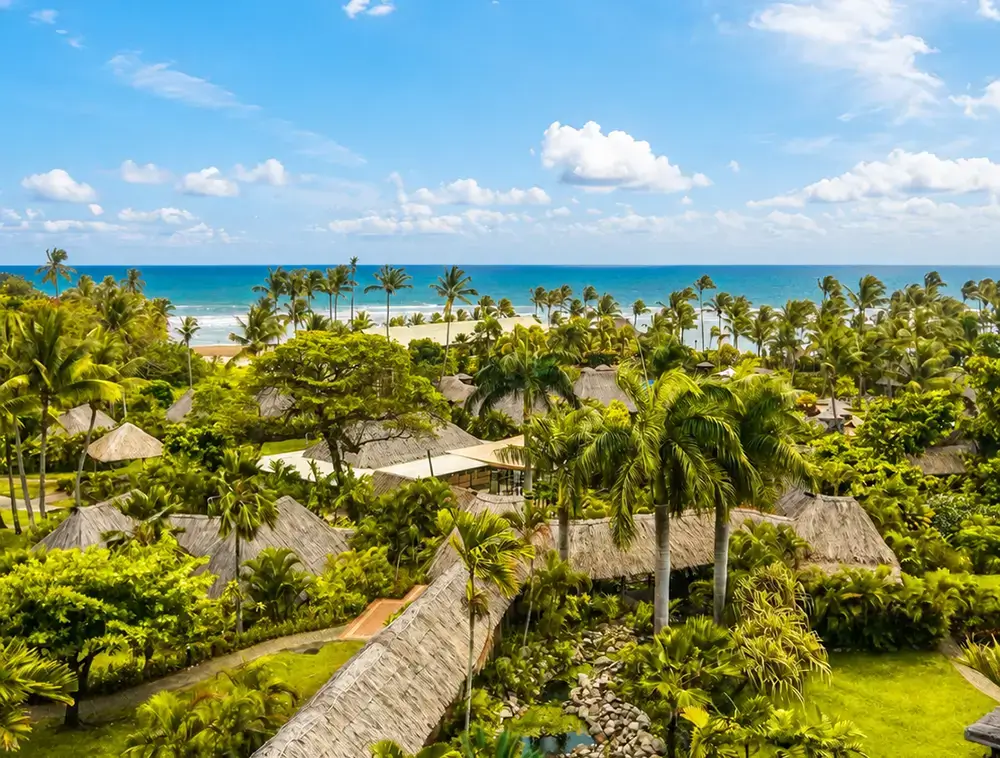
Fiji has been affected by the global environmental change in climate. The villages in rural communities have also been impacted by this, resulting in a lack of clean drinking water due to inadequate or insufficient piping systems. This has led to a reported outbreak of diarrhoea, respiratory issues, and influenza. Due to its isolation, medical outreach is not feasible, as the nearest hospital is at least an hour away or a complete day travelling, depending on the village's location.
The majority of the villagers are farmers who rely on their agricultural produce, which is also sold in the market. It has adverse effects, including severe flooding and intense climate change.
Village Community
The village community is viewed as a vital link between VLB and parents, serving as a “bridge” connecting the two. They are essential for upholding safety and peace.
It is vital to ensure that the Village Community Leaders fully understand how essential a safe haven is for the children’s growth and development in the village.
Components that are unconditional include safety, oversight, and collaboration with the Village Community and VLB.
Their help with natural resources like bamboo, river gravel, and sand, as well as their provision of labor for construction, is a valuable asset.
Education
In Fiji, participation in early childhood education (ECE) is optional. It is not mandatory to attend. The government is contemplating significant measures to establish compulsory education from the age of five onward. While every child in Fiji is assured a school place, the level of education is not mandatory.
Key players in establishing a National Early Childhood Policy and carrying out supportive reforms include the Ministry of Education, UNESCO, UNICEF, and the University of the South Pacific. (ECE).
High-Quality Standards: The Ministry of Education also prioritizes the establishment and enforcement of quality standards for institutions dedicated to Early Childhood Excellence.
The introduction of full-day pre-primary programs in all facilities registered with the Ministry in 2025 represented a significant step toward more structured learning.
To furnish the children with a fundamental support framework, collaboration among parents, guardians, community organizations, religious groups, and governmental entities is crucial.
Private and Community Centers operate as private enterprises. The Ministry of Education has set forth guidelines for their activities.
Our future projects
Cooking outside: „Vale ni Kana“
Our Promise: A Clean, Safe Kitchen Environment
A nutritious meal is only as good as the environment it is prepared in. Food safety and proper handling from "farm to plate" is our top priority—especially when transitioning from animal care to mealtime.
- Rigorous Hygiene & Transitioning: Our school kitchen operates under strict cleanliness standards. After visiting the pet farm, preschoolers are taught thorough, supervised handwashing routines before handling any food.
- Careful Preparation: Every vegetable brought from the garden into our kitchen is thoroughly washed to remove organic dirt and natural debris before being served.
- Setting the Standard: By watching the preschoolers learn to maintain a sparkling clean preparation area, and learn the foundational rules of personal hygiene, sanitation, and food safety that they can proudly bring home to their own families.
What is needed
Cement, bricks, timber and wood making joinery items, pots, pans, cutlery and kitchenware, kitchen linen, aprons.
Kindy farm with pets
The Vital Role of Our Kindy Pet Farm
We believe that a kindergarten pet farm plays a vital, irreplaceable role in a rural village community. Our school chicken/duck coop serves as a living classroom where preschoolers learn about the circle of life, sustainability, and empathy.
Through our feathered friends, our children learn firsthand that:
- Animals Sustain Us: Children learn that keeping chickens and ducks responsibly supplies our village with wholesome, nourishing food like fresh eggs and clean meat.
- Nature Works in a Circle: The learning doesn't stop at the coop! Preschoolers discover how chicken manure acts as a powerful, natural fertilizer for our garden, helping our organic vegetables grow big and strong.
- Animal Stewardship: Our preschoolers take active, daily responsibility for keeping our ducks and chickens healthy. They learn the critical importance of providing the flock with the right food and constant access to fresh, clean water. This builds lifelong awareness of what it takes to care for living creatures properly.
What is needed
Timber, wood working joints, bolts and nails, mesh screen, cement, river stones, gravel, bamboo, pvc pipes, food and water storage containers, water -and food chicken feeder, gum boots.
„Teitei“ Kindergarten Plantation
Embracing the Goodness of Fresh, Organic Vegetables
We leverage the unique assets of our rural village by integrating a true Farm-to-Preschool approach into our daily curriculum.
- Pesticide-Free & Safe: We prioritize certified organic or locally grown, chemical-free vegetables. This ensures our preschoolers are not exposed to synthetic chemicals while their bodies are still growing.
- Hands-on Learning: Children aren't just eating vegetables; they are exploring them! By helping plant seeds, watch them grow using our chicken manure fertilizer, and harvest them, vegetables become an exciting daily adventure.
- Building Taste Preferences: Studies show that when children are exposed to fresh, vibrant vegetables early on, they learn to love them for life. We celebrate the natural crunch of carrots, the brightness of spinach, and the sweetness of peas!
What is needed
Bamboos, river stones, sand and gravel, timber and connecting elements, plant seeds, water cans, plant pots, child friendly buckets spades and forks, rain gum boots and rain coats.
Vale ni Bula - Visoto Lyaileni Medical Center.
The project phase of the medical center (to be borne) is presently underway. A scheduled meeting with the Ministry of Health and eminent medical experts will happen at a later time. There will be an announcement of an update.